If you choose a Seattle landscaping professional for your spring outdoor space, you'll receive specialized landscape planning that addresses microclimates, complex soils, and high seasonal rainfall. Experts combine personalized plant selection, eco-friendly resources, and precise drainage systems—like water-conscious landscaping and porous hardscaping—to withstand the Pacific Northwest's rainfall. You'll discover resilient outdoor spaces with dimensional landscaping, designed for your property's sun and slope. Explore what local mastery and innovative solutions can do for your site's spring transformation next.
Key Takeaways
The Rewards of Working With Seattle Landscape Experts
By engaging Seattle landscaping professionals, you receive region-specific expertise that tackles the city's unique microclimates, soil conditions, and topography. You'll leverage their expert knowledge of water management, vegetation choices, and sustainable practices—each customized for Seattle's weather conditions and urban requirements. Their strategy implements cost effective solutions, maintaining ideal resource allocation without sacrificing project quality or durability. Professionals analyze your site's terrain, light conditions, and current plantings to optimize both function and visual appeal. They expertly combine hardscape elements with native plantings, elevating landscape aesthetics while maintaining ecological integrity. By utilizing their local knowledge, you avoid costly missteps and achieve a landscape that thrives year-round. In the end, you get a unified, site-adapted design that enhances your outdoor environment.
Custom Garden Design for Northwest Landscapes
Given Seattle's variable climate and diverse topography, custom garden design in the Pacific Northwest requires precise plant selection, strategic spatial planning, and integrated stormwater management. You'll need to take into account local weather patterns, soil composition, and seasonal precipitation when designing your outdoor space. Create distinctive plant combinations—such as matching native sword ferns with hardy ornamental grasses—to provide year-round visual interest and durability. Prioritize custom design elements like handcrafted stone pathways, raised garden beds, or artistic rock placements that harmonize with your site's natural contours. By incorporating tiered planting arrangements and adaptive ground covers, you optimize both appearance and practicality. Carefully planned rain gardens or swales can manage runoff while adding beauty. Let your Seattle landscape become a natural reflection of your individual vision and the region's natural character.
Green Landscaping Strategies for Environmentally Conscious Home Enthusiasts
Boost your Seattle landscape's resilience by focusing on native plant selection, which enhances local biodiversity and reduces maintenance needs. Integrate water-efficient irrigation methods designed for the region's rainfall patterns to optimize resource efficiency. Use organic mulching practices to regulate soil temperature, suppress weeds, and improve moisture preservation.
Native Plant Selection
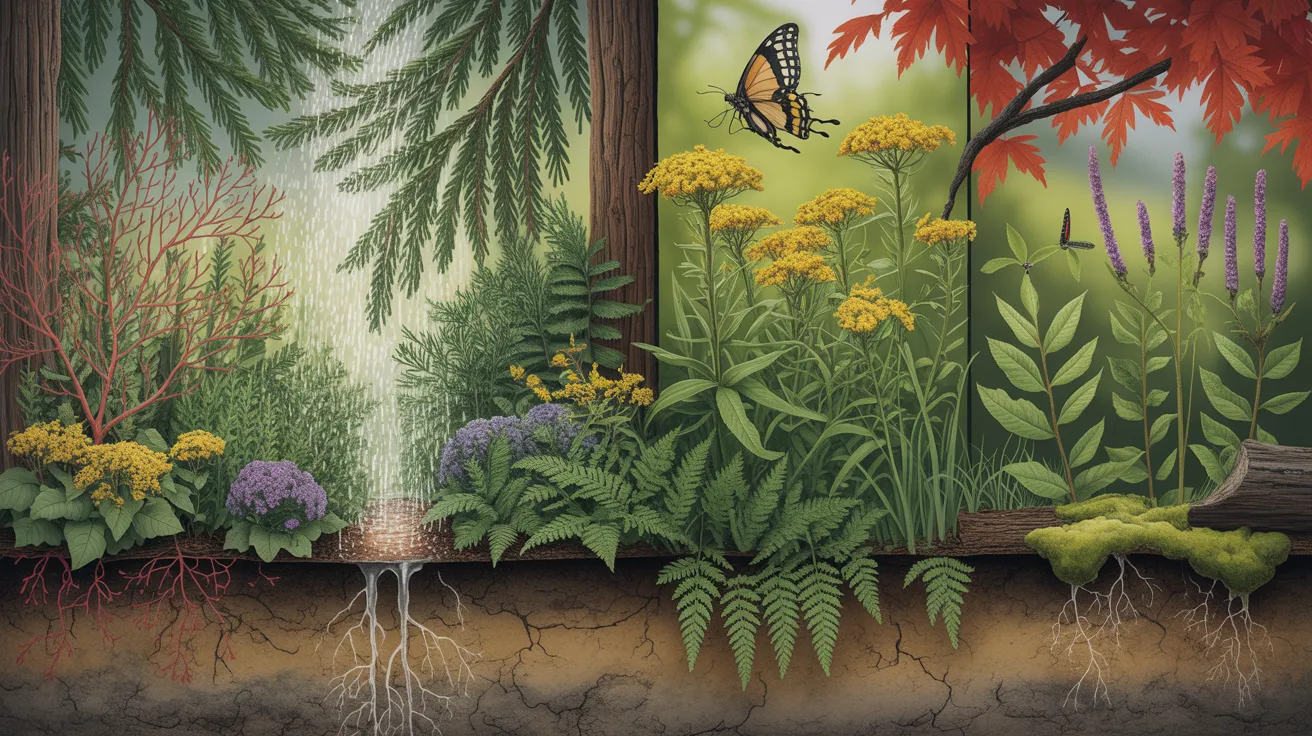
Opting for native plant species gives Seattle homeowners an eco-friendly approach to landscaping by optimizing ecological compatibility and long-term resilience. By adding local plant varieties such as sword ferns, Oregon grape, and red-flowering currant, you ensure your landscape functions effectively in the Pacific Northwest's particular climate and soil profiles. Native plant perks include reduced maintenance needs, better drought tolerance, and increased support for regional pollinators and wildlife. These species naturally withstand local pests and diseases, decreasing the need for chemical interventions. When planning your site, focus on plant communities that echo natural ecosystems, fostering biodiversity and soil health. Incorporating native plant palettes develops visually unified, functional landscapes that flourish with minimal resource requirements—connecting your outdoor space with sustainable best practices specific to Seattle's unique environment.
Water-Efficient Irrigation Methods
Although Seattle's precipitation creates its vibrant landscapes, effective irrigation is vital for eco-friendly landscaping—specifically during the region's dry summer months. By implementing water-efficient systems, you can maintain plant health while saving water. Drip watering delivers targeted moisture delivery directly to root zones, reducing moisture loss and excess—an ideal solution for Seattle's diverse terrain and compact vegetation. You'll achieve accurate regulation over water application, reducing waste and encouraging deep root growth.
Think about adding greywater recycling to enhance sustainability. By repurposing lightly used household water to irrigate ornamental beds, you reduce dependence on potable water sources and encourage responsible landscape management. When designing your system, opt for programmable controllers and moisture sensors for responsive functionality adapted to Seattle's unique microclimates, maintaining a healthy, eco-conscious landscape during the year.
Sustainable Mulching Techniques
Among the most successful sustainable landscaping approaches for Seattle homeowners focuses on the thoughtful implementation of organic mulches. By selecting location-suitable mulch options—such as shredded bark, wood chips, or compost—you'll enhance soil health, reduce weeds, and regulate soil temperature, all vital for Seattle's temperate and rainy climate. Emphasize locally sourced materials to reduce transportation emissions and maintain compatibility with native plantings.
Distribute mulch consistently over planting beds, preserving a depth of 2 to 4 inches, and position material a few inches away from plant stems to stop rot. From time to time top up mulch to ensure ideal coverage, specifically after heavy rain. Adjusting your mulching techniques to Seattle's unique soil and precipitation patterns optimizes moisture retention, decreases erosion, and promotes a resilient, low-maintenance landscape.
Hardscaping Features for Better Outdoor Living
Despite Seattle's weather conditions creates distinct challenges for outdoor areas, thoughtful hardscaping transforms your property's utility and appearance year-round. Adding durable materials like concrete, flagstone, and permeable pavers helps your hardscape to endure heavy rainfall while maintaining a polished, contemporary appearance. When designing patio layouts, you'll want to position seating areas for proper drainage and include retaining walls to control sloped terrain. Look into installing outdoor kitchens with all-weather cabinetry, built-in grills, and covered prep zones to extend your entertaining season despite the Pacific Northwest's common showers. Custom pathways and minimal upkeep steps join functional areas, enhancing site circulation. With deliberate hardscape planning, you create outdoor living spaces that integrate seamlessly with Seattle's natural beauty, delivering durability, comfort, and sophisticated design throughout the year.
Comprehensive Seasonal Lawn Maintenance
A thriving landscape in Seattle demands specialized care to manage the local consistent wetness, cool weather, and moss growth. You should implement a methodical approach to periodic landscape services that factors in both natural and decorative elements. Begin each year with targeted lawn aeration to minimize soil compaction from winter rainfall, promoting deeper root development and optimal grass vitality. Integrate seasonal planting of locally suitable grass blends and shade-tolerant groundcovers to optimize year-round appearance and feel. Routine dethatching and adjusted mowing schedules help prevent moss and prevent fungal issues common in Seattle's climate. Fertilize with formulations aligned with the soil's nutrient profile, accounting for spring and fall growth cycles. This technical regimen assures your landscape remains effective, visually appealing, and enduring throughout the year.
Drainage and Water Management Solutions
Considering Seattle's damp environment, it's essential to have customized water control solutions that incorporate productive stormwater capture solutions and sustainable drainage design. This will enhance site hydrology while avoiding erosion and landscape water damage through calculated surface contouring, water-permeable ground covers, and natural drainage channels. Proper planning guarantees your exterior environment remain functional and resilient in every season.
Effective Rain Collection Techniques
Because of Seattle's climate features significant rainfall throughout the year, implementing advanced rainwater harvesting systems into your landscape design is essential for successful water management. You'll profit from a system engineered to gather runoff from building surfaces and hardscaping, channeling it through advanced rainwater filtration units. These filters clean out debris and pollutants, making certain the collected water remains clean for yard maintenance or general outdoor use.
Sustainable Drainage Design Solutions
Rainwater harvesting systems operate most effectively when integrated with environmentally conscious drainage designs adapted to Seattle's landscape and soil characteristics. When developing your landscape architecture, consider incorporating a drainage system that effectively handles runoff while boosting your site's ecological function. Bioswales, permeable paving, and rain gardens enable water to infiltrate naturally, minimizing surface runoff and preventing erosion risks typical in Seattle's rainy climate. It's important to use grading approaches and materials that direct water away from structures, while incorporating native plantings that thrive in wet conditions. By customizing your drainage system to accommodate Seattle's variable soils—commonly a mix of clay and loam—you maximize both performance and sustainability. Thoughtful drainage design preserves your landscape investment and adheres to modern, sustainable landscape architecture principles.
Preventing Landscape Water Damage
While Seattle landscapes enjoy abundant rainfall, unmanaged water can quickly undermine even the most carefully designed outdoor spaces. You need to address water flow with tailored drainage solutions designed for your property's gradients and planting zones. Techniques like French drains, permeable pavers, and bioswales divert runoff away from foundations and high-traffic areas, preserving structural and aesthetic integrity. Effective drainage helps prevent pooling and erosion but further enhances long-term soil health by minimizing compaction and root rot risks. Look into installing rain gardens or dry creek beds, which effectively handle stormwater and enhance visual appeal. By effectively directing water movement, you'll protect your landscape investment while encouraging sustainability. Remember to obtain expert assessment to confirm your drainage system matches Seattle's unique rainfall patterns and site conditions.
Choosing the Ideal Landscaping Partner in Seattle
What's the best way to make certain your Seattle landscape project meets both beauty and practicality? First assessing prospective companies' portfolios for adherence to current landscaping trends tailored to Seattle's unique microclimates. Review their expertise in sustainable plant selection, stormwater management, and terrain-based hardscape integration. Perform service comparisons—beyond merely considering pricing; analyze the range of design-build capabilities, post-installation support, and specialization in native species. Look for transparent communication, permitting experience, and a collaborative design process. Seattle's dynamic weather demands technical proficiency in drainage and soil stabilization, so prioritize partners with established expertise in these areas. Leveraging local references, you'll ensure your chosen team grasps the city's evolving design culture and environmental requirements, resulting in a landscape that's both sustainable and distinctive.
Frequently Asked Questions
Do You Provide Complimentary On-Site Consultations for New Landscaping Projects?
You can receive a no-cost site evaluation for your new landscaping project. During our consultation, we'll review current landscaping trends suited for Seattle's climate and site conditions. We'll assess your property's unique features and discuss design solutions customized for your preferences. These consultation benefits include expert advice on plant selection, sustainable materials, and layout design, making certain your landscape design satisfies technical requirements and enhances your property's overall read more aesthetic and functionality.
How Long Does Your Project Process Take From Design to Completion?
While some projects extend over weeks, others can be completed in just days—your project duration relies on your site's specifics and design phases. Usually, preliminary concepts arrive within seven days, with subsequent project milestones, including plan confirmation and material choices, following shortly. Work commences once permits are secured, typically taking between two and four weeks. Throughout, you'll stay updated on each phase, ensuring your landscape's transformation is efficient, seamless, and tailored to Seattle's unique environmental conditions.
Are Your Landscaping Services Insured and Bonded?
You need to verify your landscaping project satisfies all insurance coverage and bonding requirements. When choosing landscaping services, verify they carry extensive liability insurance to safeguard your site from potential damages or accidents. Additionally, confirm that your contractor is bonded, which guarantees the fulfillment of design-focused work and compliance with local regulations. This two-fold security safeguards your investment and confirms your project fulfills technical, site-specific standards throughout its completion.
May I see a portfolio of our Seattle-based work?
Don't hesitate to request portfolio samples and customer reviews tailored for Seattle sites. We maintain an detailed portfolio highlighting landscape design approaches customized for the region's climate, soil profiles, and architectural styles. By reviewing our portfolio, you'll find thorough examples of property evaluation, vegetation choices, and hardscape design. Client feedback additionally confirm our technical expertise and design process, so you can confidently assess our expertise for your future landscaping project in Seattle.
What's Your Process for Handling Seattle Landscaping Permits?
While managing landscaping projects in Seattle, you need to work within strict landscaping regulations. You'll need to assess the site to figure out which elements demand city approval, such as grading, tree removal, or hardscape installations. You must submit permit applications, ensuring all technical drawings and site plans meet municipal codes. Throughout all stages of the process, you will work with city officials and oversee compliance, so the project maintains timeline and meets Seattle's distinctive environmental and zoning requirements.
Wrapping Up
Upon collaborating with Seattle's landscape professionals, you're creating more than garden beds—you're engineering harmony between architecture and earth. With tailored layouts aligned with the flow of the Pacific Northwest, efficient designs that efficiently use water, and built features that complement your outdoor canvas, your property transforms into a dynamic outdoor sanctuary. Let specialists handle the yearly changes and water management challenges, so your landscape flourishes—rain or shine, season after season, distinctively local, individually designed.